How Local Communities Are Protecting Endangered Plant Species
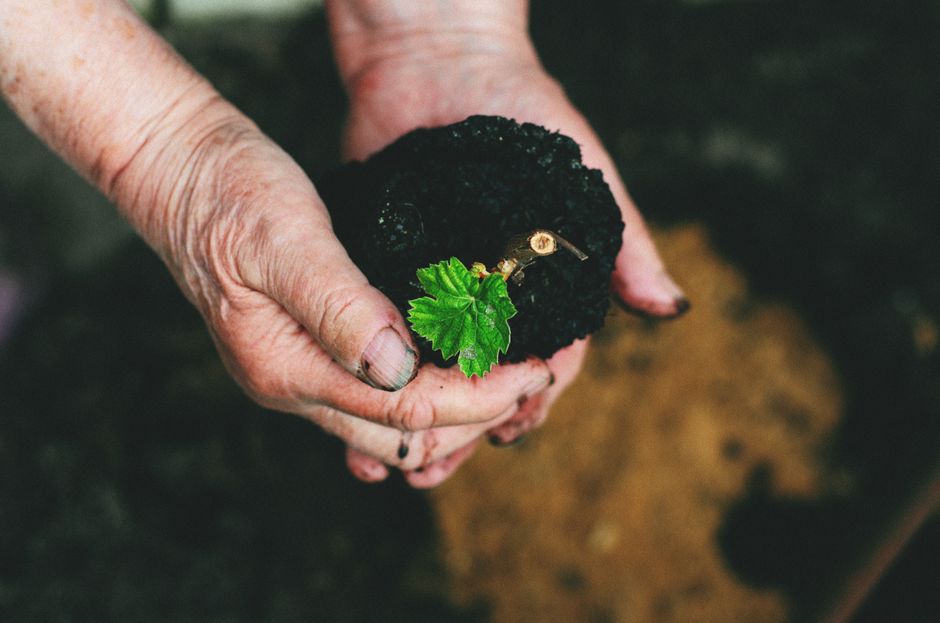
Across Southeast Asia, a quiet but determined movement is taking root. Local communities, often living in areas of rich but threatened biodiversity, are stepping into roles traditionally held by international organizations. Their work centers on protecting and replanting endangered plant species that are critical to both ecological health and cultural heritage. These community-led initiatives draw on generations of local knowledge, offering a grounded approach to conservation that complements larger scientific efforts.
The scale of plant extinction in the region is sobering. Deforestation, agricultural expansion, and illegal harvesting have pushed countless species to the brink. Yet within this challenge, community groups have emerged as key actors in restoration. They manage nurseries, conduct seed collection, and reintroduce native flora into degraded landscapes. Their efforts are often small in scale but significant in impact, providing a model that is both adaptive and deeply connected to the land.
This report explores how these initiatives operate, what makes them effective, and how individuals interested in supporting such work can get involved. While no single approach guarantees results, the methods used by these communities offer valuable lessons in resilience, collaboration, and the careful stewardship of rare plant life.
Rooted in Local Knowledge and Practice
One of the defining characteristics of community-led conservation in Southeast Asia is the integration of traditional ecological knowledge with modern restoration techniques. Many indigenous and local communities have maintained detailed understandings of plant life cycles, soil conditions, and seasonal patterns over centuries. This knowledge is often passed down orally and adapted to changing environmental conditions.
When a community decides to restore a patch of forest or a wetlands area, they typically begin by surveying what remains. Local elders and farmers identify which plant species are native, which are rare, and which have disappeared. This baseline information is crucial because it guides seed selection and planting strategies. Rather than importing generic seedlings, many groups prioritize propagating seeds from surviving local populations, preserving genetic diversity and local adaptations.
Training programs and partnerships with botanists or conservation NGOs sometimes supplement this knowledge, but the direction and decision-making usually remain in the hands of community members. This balance ensures that restoration efforts are practical, culturally appropriate, and sustainable over the long term. It also fosters a sense of ownership and responsibility that external projects can struggle to achieve.
Case Studies in Replanting Rare Flora
Several restoration projects across the region illustrate the range of approaches being used. In the uplands of northern Thailand, a network of villages has been working to bring back the endangered Siamese rosewood, a tree heavily targeted by illegal loggers. Community members patrol forest areas, collect seeds from remaining trees, and grow seedlings in small nurseries. After a period of care, the saplings are planted in protected zones and monitored regularly. The process is slow, and survival rates depend on rainfall and soil recovery, but the communities report seeing young trees reach maturity after several years.
In the Philippines, a coastal community in Palawan has focused on restoring mangrove species that are vital for shoreline protection and marine habitat. Local volunteers, including many women, collect propagules from healthy mangrove stands and plant them in degraded intertidal areas. This work has helped stabilize sediment and create nurseries for fish. While the mangroves are not rare globally, the particular local subspecies have been declining, and the community’s efforts have contributed to their continued presence.
Another noteworthy example comes from the highlands of Sumatra, where communities are working with a conservation organization to protect the rafflesia, a parasitic flower that is one of the region’s most iconic endangered plants. Community members are trained to identify and monitor rafflesia buds, protect them from trampling, and educate tourists about the plant’s fragile lifecycle. These stewardship roles provide alternative income through ecotourism and reduce pressure on the plant’s habitat.
Volunteer Opportunities and How to Participate
For those interested in supporting community-led plant conservation, a range of volunteer opportunities exist, though they vary greatly in duration and commitment. Many projects welcome short-term volunteers for tasks such as seed collection, nursery maintenance, and data recording. Others require longer stays and involvement in community training or ecological monitoring.
Potential volunteers should research organizations that partner directly with local communities rather than those that impose external agendas. It is also important to understand that volunteer contributions are most effective when they complement existing local efforts. Tasks that require specialized skills, such as botanical identification or mapping, can be especially valuable if guided by community leaders.
Online platforms and conservation networks sometimes list opportunities for remote support as well, including fundraising, translation, or data entry. For those who cannot travel, supporting these initiatives through donations to community-managed funds can also make a difference. However, the impact of any contribution depends on the specific context and the capacity of the local group to absorb and use resources effectively.
Challenges and Adaptive Strategies
Community-led restoration is not without difficulties. Funding is often inconsistent, and many groups operate on limited budgets. Climate change introduces uncertainty in rainfall patterns and temperature, which can affect seedling survival. Additionally, illegal logging or land conversion may threaten restored areas if enforcement is weak.
In response, many communities have developed adaptive strategies. Some form cooperatives to share resources and knowledge. Others create income-generating activities linked to conservation, such as sustainable harvesting of non-timber forest products or ecotourism. A few have established community-based monitoring systems that record environmental changes over time, allowing them to adjust their planting schedules and species choices.
Another common challenge is maintaining motivation over the long term, since visible results from replanting can take years to appear. Groups often celebrate small milestones, such as the first flowering of a reintroduced plant or the return of a pollinator species. These markers help sustain enthusiasm and demonstrate progress to the broader community and potential supporters.
Broader Implications for Biodiversity and Culture
The work of protecting endangered plant species goes beyond ecological restoration. For many communities in Southeast Asia, these plants hold cultural, medicinal, or spiritual significance. The loss of a particular tree or orchid can represent a break in tradition and a loss of identity. By actively participating in conservation, communities reaffirm their connection to the land and assert their role as caretakers of biodiversity.
These initiatives also contribute to broader conservation goals. Restored habitats provide corridors for wildlife, improve water cycles, and help mitigate the effects of deforestation on local climates. While no single project can reverse large-scale trends, the cumulative effect of many community efforts can be significant when considered over decades.
Ultimately, the success of these projects depends on a combination of factors: sustained community involvement, supportive policies, scientific guidance, and external resources when appropriate. The approaches described here offer a template for how conservation can be done in partnership with those who know the land best. For readers considering how to engage, the most meaningful step may be to start by learning about the specific needs and initiatives of a community and then offering support that respects their leadership and priorities.