Five Common Backyard Birds and Their Unique Behaviors
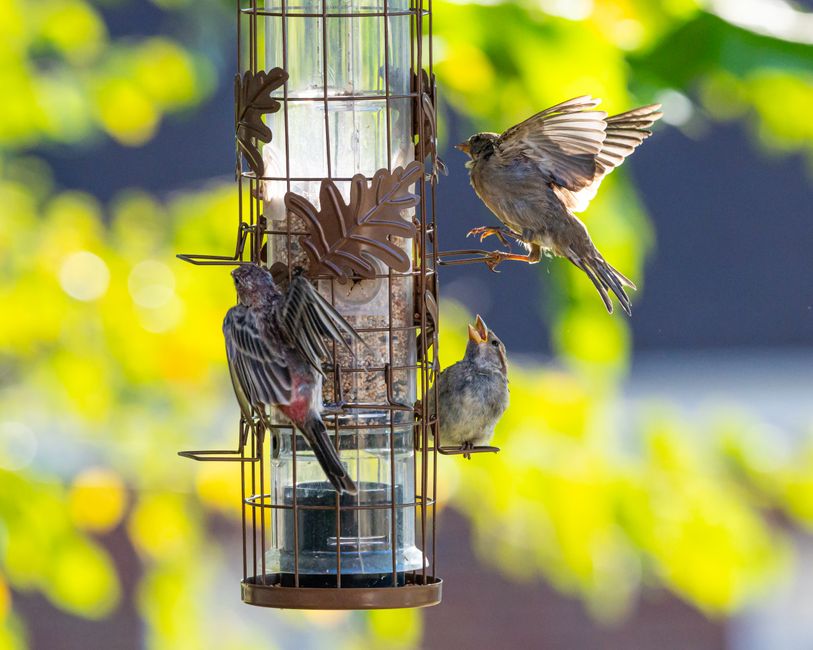
For many people, observing birds from a window or backyard offers a simple way to connect with local wildlife. The birds that visit feeders, lawns, and shrubs are often the same species found across the United States, making them accessible subjects for anyone curious about nature. Watching these birds can reveal patterns in feeding, vocal communication, and daily routines that might otherwise go unnoticed.
Each species has developed distinct behaviors that help it survive in suburban and urban environments. Some birds are known for their bright plumage, while others stand out through their songs or foraging techniques. Understanding these traits allows beginner birdwatchers to identify birds more easily and appreciate the roles they play in local ecosystems.
This article explores five common backyard birds: the American Robin, House Sparrow, House Finch, Blue Jay, and Northern Cardinal. Their feeding habits, calls, and unique behaviors are described in a neutral and informational manner, with a focus on observable characteristics rather than outcomes.
American Robin
The American Robin is a familiar sight on lawns and gardens, easily recognized by its orange-red breast and grayish-brown back. Robins are thrushes, and their foraging behavior is closely tied to the availability of earthworms and insects. They often run several steps across the grass, then stop abruptly and tilt their heads to locate prey by sound. This method relies on the vibrations that worms create beneath the surface.
Robins also consume berries, especially in late summer and fall when insects become less abundant. Their diet shifts seasonally, which may influence where they are seen throughout the year. The male robin’s song is a melodic series of clear whistles, often heard early in the morning. This song serves to mark territory and attract mates. An alarm call, a sharp “tut-tut” sound, is used when potential threats are detected. Robins are one of the first birds to sing before sunrise, which makes them a good starting point for learning bird vocalizations.
Another notable behavior is the way robins bathe. They will splash vigorously in shallow water, such as puddles or birdbaths, often fluffing their feathers afterward to dry. This activity helps maintain feather condition, which is important for insulation and flight.
House Sparrow
House Sparrows are small, stocky birds with a stout bill designed for cracking seeds. Males have a black bib, chestnut nape, and gray crown, while females are plain brown with a pale stripe above the eye. These birds are highly adaptable and thrive in human-altered landscapes, often nesting in building crevices or birdhouses. Their feeding habits are generalist: they eat seeds, grains, and insects, and readily visit feeders with mixed seed or suet.
House Sparrows are social and form flocks, especially outside the breeding season. Within these flocks, a hierarchy exists, and dominant individuals may chase others away from food sources. Their vocal repertoire consists of simple chirps and cheeps, used for contact calls, alarm signals, and courtship. The males produce a repeated “cheep-cheep-cheep” song, often delivered from a perch near a nest site.
One distinctive behavior is dust bathing. Sparrows find dry, loose soil and flap their wings while rolling in it, coating their feathers with dust. This helps control parasites and remove excess oil. Dust bathing is a communal activity, and multiple sparrows may engage in it together. Observing this behavior can be a clear indicator of sparrow presence in a yard.
House Finch
A small finch with a thick, conical bill, the House Finch is common across the United States. Males display red, orange, or yellow coloration on the head, chest, and rump, while females are brown with streaked underparts. The color intensity in males is linked to the amount of carotenoid pigments in their diet, so brighter birds may have had access to richer food sources.
House Finches primarily eat seeds, including those from sunflowers, dandelions, and thistle. They are frequent visitors to tube feeders and hopper feeders, often clinging to the perches while cracking seeds. Their feeding technique involves removing the hull with their tongue and bill, discarding the husks before swallowing the kernel. This process can be observed up close at feeders.
The song of a House Finch is a long, cheerful warble with a rising inflection at the end. Males sing from high perches, and their vocalizations are composed of a series of short notes melded together. A common call is a sharp “cheep” used for contact between flock members or in response to disturbances. House Finches are known to gather at communal roosts, especially during cold weather, where they may share information about food sources.
Blue Jay
With its striking blue plumage, white chest, and prominent crest, the Blue Jay is one of the most visually recognizable backyard birds. It belongs to the corvid family, a group known for intelligence and complex social behavior. Blue Jays are omnivorous and opportunistic: they eat acorns, seeds, insects, small mammals, and occasionally eggs or nestlings of other birds. This varied diet allows them to adjust to seasonal food availability.
Blue Jays are frequently seen caching food, especially acorns. They carry individual acorns in their throat pouches to hidden locations, then bury them in the ground or under leaf litter. This behavior may contribute to the spread of oak trees, as forgotten caches can germinate. The caching process is methodical: jays often cover the cache with a leaf or piece of bark and may turn their heads to inspect the site afterward.
Their calls are varied and loud. The classic “jay jay” call is a harsh alarm, often used to warn of predators. Blue Jays are also known to imitate the calls of Red-shouldered Hawks, a behavior that may deter other birds from approaching a food source. They are quick to mob owls, hawks, and cats, gathering in groups to harass and drive away threats. This mobbing behavior can be observed when a predatory bird perches near a feeder.
Northern Cardinal
The Northern Cardinal is a favorite among birdwatchers for its brilliant red color and prominent crest. Males are entirely red with a black face mask, while females are a warm brown with red accents on the wings, tail, and crest. They are year-round residents across much of the eastern and central United States, and their presence adds color to winter landscapes.
Cardinals feed primarily on seeds, fruits, and insects. Their strong, thick bills are well suited for cracking seeds like sunflower seeds and safflower seeds. They often forage on the ground or at platform feeders, moving methodically. Unlike some other finches, cardinals are not acrobatic at feeders and prefer stable perches.
The male cardinal’s song is a series of clear, slurred whistles, often described as “cheer-cheer-cheer” or “birdie-birdie-birdie.” Both males and females sing, and they may perform duets during courtship or while defending territory. The female often sings from the nest, which may help coordinate feeding visits. A common contact call is a short, metallic “chip,” used to maintain communication between mates or with fledglings.
During courtship, males feed females seeds or fruit in a ritualized display. This behavior strengthens pair bonds and may help the female assess the male’s ability to provide food. Pairs remain together throughout the year, and they often travel together in search of food. Observing a cardinal pair moving through a yard can provide insights into their social structure and feeding patterns.