Essential Gear for a Week-Long Wilderness Survival Trip
Preparing for a week-long wilderness survival trip requires careful consideration of the equipment one carries. The balance between durability and weight becomes a central factor, as each item must serve a clear purpose without adding unnecessary burden. The selection process involves evaluating potential conditions, personal skill levels, and the specific environment of the expedition.
Understanding the core functions that support basic needs—fire, water, shelter, navigation, and first aid—helps in prioritizing gear choices. The following sections outline categories of equipment that can contribute to a safer and more manageable experience in remote settings. Each tool can play a role within a broader system of preparedness.
It is important to note that no single piece of equipment guarantees success or safety. The effectiveness of any gear depends on its proper use, maintenance, and adaptation to changing circumstances. The information presented here aims to support informed decision-making rather than prescribe a definitive list.
Fire Starting Tools
Fire serves multiple functions in a survival context, including warmth, cooking, water purification, and signaling. A reliable fire-starting kit typically includes multiple ignition sources to account for varying conditions. Common options include:
- Ferrocerium rods, which produce sparks at high temperatures and function even when wet.
- Waterproof matches, convenient but consumed more quickly.
- Lighters, simple in operation but may fail at altitude or in cold temperatures.
Each method has different characteristics regarding wind resistance, fuel requirements, and ease of use. Carrying a combination of these tools can increase the likelihood of successfully lighting a fire under diverse circumstances. In addition to ignition sources, tinder and kindling are essential. Commercial tinder products, such as fire starters made from wax and wood shavings, are lightweight and reliable. Natural alternatives like dry bark, pine needles, or cotton balls coated in petroleum jelly can also be prepared in advance.
Water Purification
Access to safe drinking water is critical during a week-long trip. Carrying enough water for the entire duration is often impractical, so a water purification system becomes necessary. Filters, chemical treatments, and UV purifiers are common methods, each with distinct advantages and limitations.
Portable water filters are widely used for their ability to remove bacteria and protozoa. They come in various designs, from pump filters to squeeze bags and straw-style filters. Flow rate, filter lifespan, and ease of cleaning are factors to consider. Some filters also use activated carbon to improve taste by reducing chemicals and sediment.
Chemical treatments, such as iodine or chlorine dioxide tablets, are lightweight and effective against many pathogens. They require wait times and may not remove particulates. UV purifiers use ultraviolet light to inactivate microorganisms but rely on batteries and clear water. Combining methods, such as filtering before chemical treatment, can provide additional safety.
Shelter and Sleep Systems
Protection from the elements is a fundamental requirement in wilderness survival. A shelter system typically includes a tent, tarp, or bivvy sack, along with a sleeping bag and sleeping pad. The choice depends on expected weather, weight constraints, and personal comfort preferences.
Ultralight tarps offer versatility and minimal weight, but require skill in setup and may provide less protection from insects and wind. Freestanding tents are easier to set up and offer enclosed protection, though they are heavier. Hammocks with bug nets and rain flies are another option for environments where trees are available.
The sleeping bag should be rated for temperatures below the expected low. Down insulation offers excellent warmth-to-weight ratio but loses efficiency when wet. Synthetic insulation retains some warmth when damp but is heavier. A sleeping pad provides insulation from the ground and cushioning. Inflatable pads offer good comfort and packability, while closed-cell foam pads are more durable and puncture-resistant.
Navigation and Communication
Getting lost is a common risk in remote areas. Navigation tools help maintain orientation and find one’s way. A map and compass remain reliable because they do not rely on batteries or signal reception. Learning how to use them effectively is a skill that can be practiced beforehand.
GPS devices and smartphone apps with offline maps can complement traditional methods. However, electronic devices are subject to battery drainage and potential damage. Carrying spare batteries or a portable solar charger can extend their utility. A whistle and signal mirror are lightweight signaling devices that can attract attention if communication is needed.
Two-way radios or satellite messengers may be considered for trips far from cellular coverage. These devices allow communication with rescue services or contacts outside the wilderness. Their use involves understanding battery life, coverage limitations, and subscription services for some models.
First Aid and Safety
A first aid kit is a standard component of any survival gear. For a week-long trip, the kit should cover common injuries such as cuts, blisters, sprains, and burns. It may also include medications for allergies, pain, or gastrointestinal issues. The contents can be tailored based on individual health needs and the specific risks of the environment.
Beyond supplies, knowledge of basic first aid procedures is essential. Treating wounds, splinting fractures, and recognizing signs of hypothermia or heat exhaustion are skills that can be supported by reference materials. A small first aid manual or a digital guide stored on a phone can serve as a reminder.
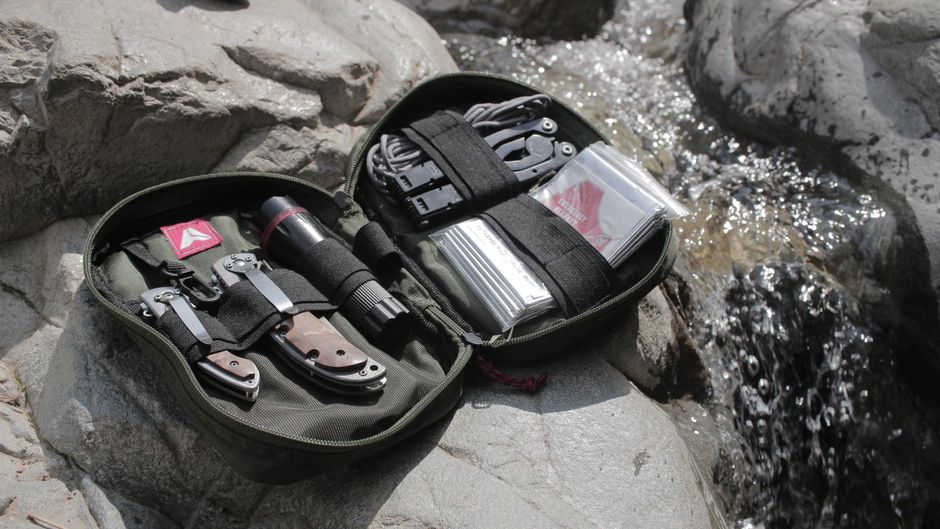
Safety also involves carrying a knife or multi-tool for cutting, repairs, and food preparation. A fixed-blade knife offers durability, while a folding knife or multi-tool is more compact. The tool should be suitable for tasks such as cutting cordage, preparing tinder, or making shelter modifications.
Tools and Food Preparation
Food for a week-long trip is often chosen for its calorie density and ease of preparation. Dehydrated meals, nuts, energy bars, and instant grains are common options. Cooking equipment may include a lightweight stove, fuel canister, and a small pot or cup. Alcohol stoves and wood-burning stoves are alternatives that weigh less but require more attention.
Utensils such as a spork or titanium spoon minimize weight while serving multiple functions. A water bottle or hydration reservoir must be compatible with the chosen purification system. Trash management should also be considered—packing out all waste is a standard practice in wilderness areas.
Duct tape, cordage, and repair patches can be useful for fixing gear or creating improvised solutions. These small items add minimal weight but can extend the functionality of other equipment. The overall approach to tool selection emphasizes versatility and reliability.