How to Safely Observe Wolves in Their Natural Habitat
Observing wolves in the wild is a remarkable experience that requires careful planning and a deep respect for the animals and their environment. Unlike many other wildlife species, wolves live in complex social structures and are highly sensitive to human presence. Even well-intentioned observers can inadvertently disrupt pack activities, alter hunting patterns, or stress individual animals. For those seeking to view wolves in their natural habitat, understanding the principles of safe and respectful observation is essential.
This guide outlines a framework for minimizing human impact while maximizing the quality of the observation experience. Rather than focusing on specific outcomes, it emphasizes the processes and practices that support ethical engagement with wolf populations. By following established guidelines for distance, timing, and behavior, observers can contribute to the long-term well-being of wolves and the ecosystems they inhabit. The recommendations here are drawn from wildlife management protocols, field research, and the collective experience of professional naturalists.
Preparation begins long before the actual observation. Knowing where to look, what to bring, and how to interpret wolf behavior can transform a casual sighting into a meaningful encounter that respects the animals’ needs. The following sections detail the key considerations for anyone planning to watch wolves responsibly.
Understanding Wolf Pack Dynamics
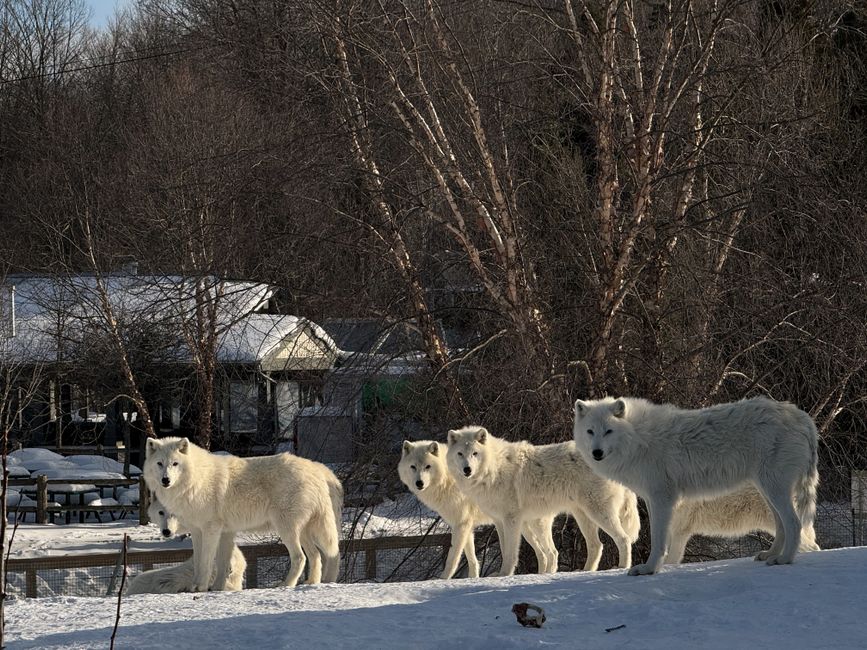
Wolves are highly social animals that rely on cooperation for hunting, raising pups, and defending territory. A typical pack consists of a breeding pair, their offspring, and sometimes related individuals. Each member has a role, and the pack’s daily activities are governed by a strict hierarchy and communication system that includes vocalizations, scent marking, and body language.
Human presence can interfere with these dynamics in subtle but significant ways. For example, a wolf that pauses to watch a distant observer may miss a hunting opportunity or lose contact with the pack. Repeated interruptions can lead to elevated stress levels, reduced reproductive success, or changes in movement patterns. Understanding these potential effects helps observers appreciate why certain behaviors are discouraged.
It is also important to recognize that wolves are not uniformly distributed across landscapes. They tend to concentrate in areas with adequate prey, cover for denning, and low human disturbance. Observers who research local wolf territories and consult with park rangers or wildlife biologists can identify locations where viewing is both possible and appropriate. Relying on outdated or general information may lead to unintended intrusions into sensitive zones.
Recommended Distances and Observation Techniques
Maintaining adequate distance is the single most effective way to reduce disturbance. For wolves, a minimum distance of 300 meters (approximately 1,000 feet) is widely recommended by wildlife agencies. In some protected areas, such as national parks in the United States, regulations may require staying at least 100 yards from wolves at all times. These distances vary by region and season, so checking local guidelines before the trip is necessary.
Observation techniques should emphasize patience and stillness. Using high-quality binoculars, spotting scopes, or telephoto cameras allows observers to see detailed behavior without approaching closer. A vehicle can serve as a valuable blind, as wolves often habituate to cars and trucks more readily than to humans on foot. When exiting a vehicle, observers should move slowly and avoid sudden movements or loud noises.
When wolves are clearly visible, it is critical to watch for signs of stress. These may include repeated looking at the observer, cessation of normal activities such as feeding or playing, or moving away more than a short distance. If any of these signs are observed, it is best to withdraw slowly and increase the distance. Responding to these cues demonstrates respect for the animals and supports the goal of non-intrusive observation.
Groups of observers should remain together and avoid spreading out. A single compact group is less intimidating to wolves than multiple scattered individuals. Talking should be kept to a minimum and at low volume. The overall principle is to remain as unobtrusive as possible while still enjoying the experience.
Timing and Seasonal Considerations
The time of day and time of year strongly influence wolf activity and visibility. Wolves are crepuscular and nocturnal by nature, meaning they are most active during dawn and dusk. Early morning and late evening offer the best chances for observing natural behaviors such as hunting or social interactions. Midday periods, by contrast, often find wolves resting in shaded areas and less likely to be seen.
Seasonal patterns also matter. Late spring and early summer are denning seasons, when pups are vulnerable and adults are especially protective. Approaching a den site can cause abandonment or direct conflict. Many jurisdictions establish seasonal closures around known denning areas, and observers should respect these restrictions without exception. In autumn and winter, wolves travel more widely and are often easier to spot against snow-covered terrain, but they also expend more energy and may be less tolerant of disturbances.
Weather conditions can affect both wolf behavior and human comfort. Clear, cold days with light winds typically provide the best viewing conditions, as wolves remain active and optics work effectively. Rain, fog, or heavy snow can reduce visibility and make it harder to maintain safe distances. Checking weather forecasts and road conditions before heading out helps ensure a safe and productive trip.
Planning an observation session around these temporal factors increases the likelihood of a rewarding encounter without putting pressure on the wolves. Observers should remember that the goal is not to see wolves at all costs, but to see them in a way that respects their natural rhythms.
Ethical Behavior and Minimizing Impact
Ethical wolf observation extends beyond maintaining physical distance. It includes a commitment to leaving no trace of human presence. This means packing out all trash, food scraps, and equipment. Wolves have an excellent sense of smell and may be attracted to discarded food, which can lead to habituation or dangerous encounters. Even biodegradable items like apple cores can disrupt natural foraging behaviors.
Feeding wolves, either intentionally or accidentally, is always prohibited. A wolf that associates humans with food may become bolder and approach campsites, roads, or trails, creating risks for both the animal and people. In some regions, habituated wolves may be euthanized as a management response. Observers play a direct role in preventing these outcomes by securing all food and scented items properly.
Using playback calls or artificial lures to attract wolves is another practice that violates ethical guidelines. Such methods can confuse wolves, mimic distress signals, or draw them into unsafe situations. Similarly, using drones to locate or film wolves is strongly discouraged and often illegal in protected areas. The noise and visual intrusion of drones can cause immediate stress and lead to long-term avoidance of otherwise suitable habitats.
Respecting all wildlife encountered during the outing, not just wolves, reinforces a holistic approach to conservation. Deer, elk, birds, and even smaller mammals contribute to the ecosystem that supports wolf populations. Adopting a mindset of quiet presence rather than active pursuit benefits the entire landscape.
Legal and Regulatory Frameworks
In the United States, wolf observation is shaped by a patchwork of federal, state, and local regulations. National parks such as Yellowstone and Grand Teton have specific rules that limit how close visitors can approach wolves, where they can park, and how long they can stay in certain areas. Violating these rules can result in fines, loss of access, or more severe penalties if a wolf is harmed.
Outside of parks, wolves fall under state wildlife management agencies. Some states have designated wolf-viewing areas with designated pullouts or observation blinds. Others prohibit intentional viewing altogether during certain periods to protect denning or hunting activities. Checking with the state wildlife agency in the region of interest before traveling is a necessary step. Many agencies also provide maps of known wolf territories and recent sightings, which can help observers plan their routes responsibly.
Wild Frontier, as an organization that supports ethical wildlife experiences, encourages observers to familiarize themselves with the legal context before any trip. Understanding the regulations not only prevents legal trouble but also reinforces the broader culture of respect that protects wolf populations for future generations. The rules are not arbitrary; they reflect years of research and management experience.
When in doubt, consulting with local experts—such as park rangers, wildlife guides, or nonprofit conservation groups—provides the most current and site-specific advice. These professionals can offer insights that are not available in general guides, such as recent changes in wolf pack locations or temporary restrictions due to wildlife research projects.
“The best way to observe wolves is to let them observe you first, from a distance where your presence is barely noticeable.” — Wildlife field observer, Yellowstone National Park (paraphrased for context)
By integrating distance, timing, ethical behavior, and legal compliance, anyone interested in wolf observation can engage in a practice that prioritizes the animals’ well-being. The experience of watching wolves move naturally through their habitat is more meaningful when it is earned through patience and preparation. Each observation session becomes a learning opportunity, contributing to a deeper understanding of these remarkable predators and the ecosystems they help sustain.